Cultural recognition in the city
Tulmur Place and cultural design A major civic space named and designed to reflect local culture, storytelling and shared respect for place—recognising Traditional Owners at the heart of Ipswich.
The Indigenous Accord 2026-2031 was adopted by Ipswich City Council on 27 August 2026, marking the next chapter in council’s reconciliation journey and reaffirming our commitment to working alongside Aboriginal and Torres Strait Islander peoples to create a more inclusive and connected Ipswich.
You can read how your input helped shape the Accord below under the What you shared tab.
Ipswich City Council has developed the Indigenous Accord 2026–2031, a shared commitment to strengthening relationships, recognition and opportunities for Aboriginal and Torres Strait Islander peoples.
The Accord was developed through conversations across our region, including community workshops, youth leadership programs, NAIDOC week events and online feedback here on Shape Your Ipswich. Council recognises the diversity of Aboriginal and Torres Strait islander peoples, culture and experiences and know that no single perspective represents all voices.
The Indigenous Accord is more than a document - it’s a shared commitment to:
Thank you to everyone who shared their feedback. Your input directly shaped the Indigenous Accord 2026-2031 which will guide how council delivers outcomes over the next five years.
You can see how your feedback was captured and incorporated in the What you shared tab.
For further updates please visit the Ipswich City Council website.
Council's reconciliation journey spans three decades, evolving from early recognition to organisation-wide action.
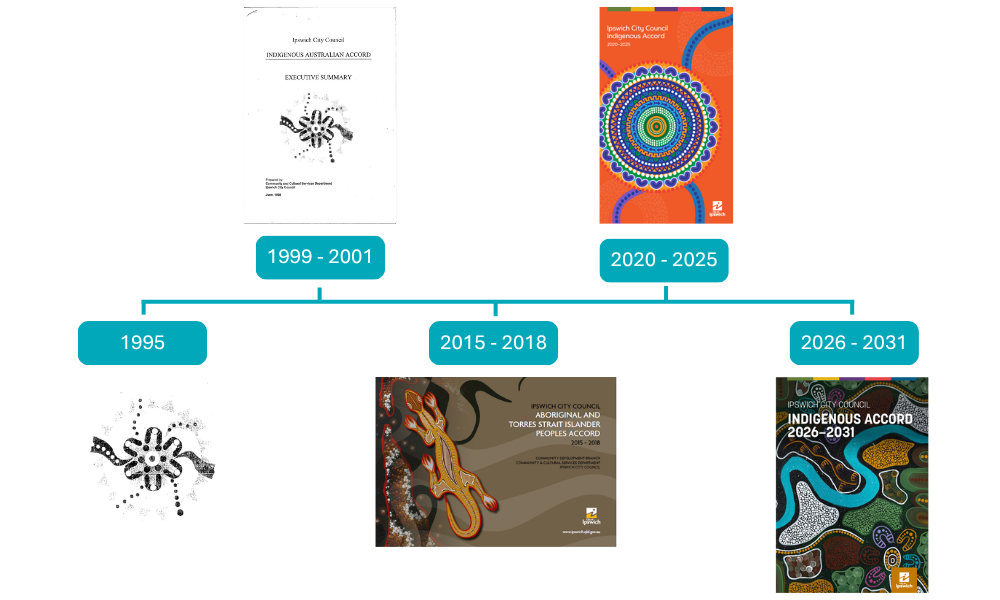
Over the past five years, council has strengthened its approach to reconciliation—moving from commitment to visible, on-the-ground action through leadership, partnership and cultural inclusion. Outcomes from the last Indigenous Accord can be viewed in the Indigenous Accord Outcomes Report 2020 - 2025.
Which includes the below:
Tulmur Place and cultural design A major civic space named and designed to reflect local culture, storytelling and shared respect for place—recognising Traditional Owners at the heart of Ipswich.
Aboriginal and Torres Strait Islander Community Engagement Guide
Adopted in 2024, providing a consistent framework for culturally informed, respectful engagement across council and with community.
Employee Working Group Creating a culturally safe space for Aboriginal and Torres Strait Islander staff to share lived experience, guide decision-making and strengthen practice.
Cultural Mentoring Program Launched in 2025 to support recruitment, retention and professional growth through culturally safe mentoring and development.
Queens Park Ceremonial and Remembrance Space
Co-designed with community, this space supports reflection, healing and cultural connection, acknowledging history and Country.
Economic participation initiatives
Programs like First Nations Industry Yarns, Black Coffee and NAIDOC events have increased visibility, connection and opportunity for Indigenous businesses.
First Nations arts and culture Expanded representation across exhibitions, programs and collections - supporting cultural authority and opportunities for Aboriginal and Torres Strait Islander creatives.
"Connecting Tulmur" was commissioned by council to reflect council, the local Aboriginal and Torres Strait Islander community and the broader Ipswich community.
Ipswich Aboriginal artist Rhan Hooper drew on the stories, knowledge and connections to Country shared by the Aboriginal and Torres Strait Islander Working Group, alongside conversations about what Ipswich means to its people.
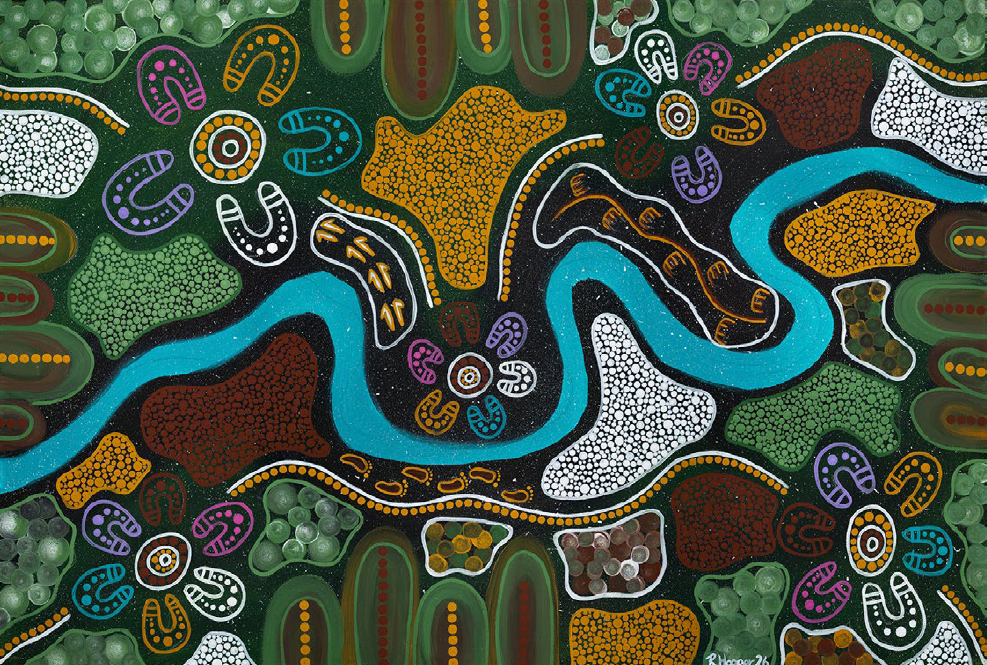
"Connecting Tulmur" artwork by Rhan Hooper
You can read more about the artwork by downloading the Accord below.
Thank you for helping shape the Indigenous Accord 2026-2031
The Accord has been informed through a phased and collaborative engagement process involving community and stakeholder groups, youth leadership programs, NAIDOC Week activities and the Shape Your Ipswich engagement platform.
We received over 210 contributions, and we thank each and every one of you for your time throughout the process.
From earlier engagement we heard that community wanted:
✅Stronger cultural visibility and recognition
✅Meaningful involvement of Traditional Owners
✅More economic opportunities
✅Improved wellbeing and inclusion
The Accord is structured around four interconnected themes that guide council's commitment to reconciliation, partnership and improved outcomes for Aboriginal and Torres Strait Islander peoples.
The themes, priorities and commitments contained within this Accord directly respond to the feedback received through this engagement process.
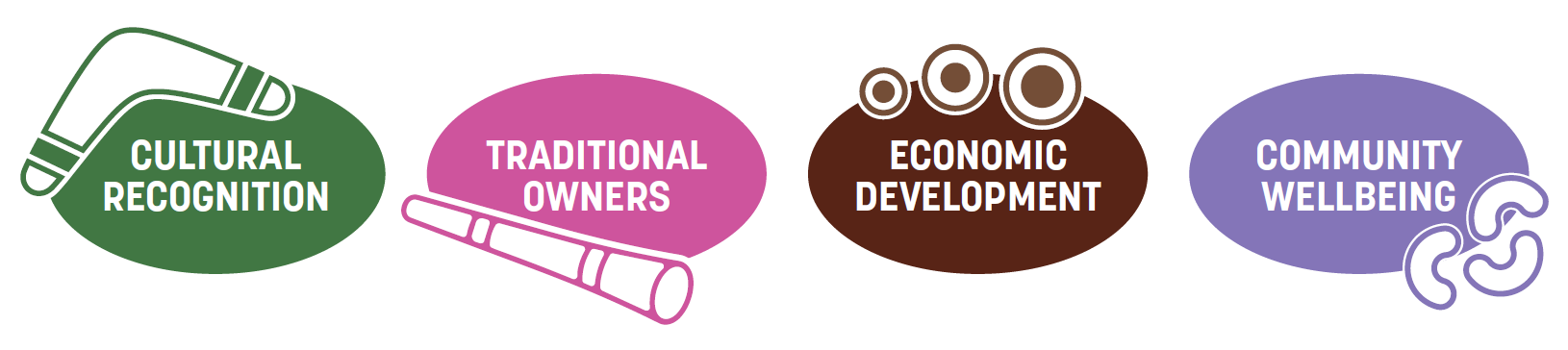
The following summary outlines the key priorities identified through this engagement process, which are now reflected in the Accord. Some of the priorities relate to multiple themes.
Ensuring culture, stories and voices are visible, respected and embedded across the city.
Strengthening partnerships, governance and decision-making with Traditional Owners.

Supporting employment, business growth and economic opportunities.

Promoting inclusion, cultural connection and safe and healthy communities.
Thank you for helping shape Ipswich's Indigenous Accord 2026-2031
The community was able to share their feedback on this project using one of the engagement channels below:
Your feedback helped to:
Tuesday 7 July 2026
Free family event.
10am - 2pm
Tulmur Place, Nicholas Street Precinct, Ipswich QLD 4305
Ipswich City Council respectfully
acknowledges the Traditional Owners, the Jagera, Yuggera and Ugarapul People of
the Yugara/Yagara Language Group, as custodians of the land and waters we
share. We pay our respects to their Elders past and present, as the keepers of
the traditions, customs, cultures and stories of proud peoples.

Phone: (07) 3810 6666
Email: communityengagement@ipswich.qld.gov.au
Postal: PO Box 191, Ipswich QLD 4305, Australia
Ipswich City Council protects your personal information in accordance with the Information Privacy Act 2009 (Qld) and the Queensland Privacy Principles (QPP).