Strong Support for Simpler Regulation
Most respondents supported replacing permits and licences with standard conditions, with support ranging from 75% to 89% across all topics.
Thank you to everyone who shared their thoughts on this project. We have now reviewed your feedback.
View a summary of what we heard from the community, read the Community Engagement Report, or access the Committee Report to see what is progressing in the Local Law Review.
Once the new laws have been drafted, we will re-engage for further community consultation.
The Local Law Review is being undertaken as part of the Strategic Regulation project.
Our city is growing, and with growth comes change. To ensure our Local Laws reflect the way we live, work, and connect today, we’re reviewing them and considering updates. These proposed changes have been shaped through internal consultation, but now it’s time to hear from the most important voice, yours.
Thank you to everyone who shared their thoughts on the Local Laws. We have now reviewed your feedback.
View a summary of what we heard from the community, read the Community Engagement Report, or access the Committee Report.
Once the new laws have been drafted, we will re-engage for further community consultation.
Thank you to everyone who shared their thoughts on this project. We have now reviewed your feedback.
What feedback has council received?
Residents generally view busking as a positive, creative addition to public spaces. A risk‑based approach would support performers and businesses while maintaining public safety.
What may council consider in new laws?
Busking:
Touting/Spruiking:
What feedback has council received?
Queensland has no statewide rules for how cemeteries must operate, so councils rely on local laws. Ipswich removed its cemetery local law in 2013 after contracting a cemetery services provider, leaving only limited rules in place. This has created gaps around construction standards, safety, permitted activities and visitor responsibilities.
A new local law would apply only to council‑managed cemeteries: Ipswich General, Warrill Park Lawn, Tallegalla, Haigslea Lawn and Stone Quarry.
What may council consider in new laws?
Council may create a dedicated cemetery local law so all rules, standards and requirements are in one place and easy for the community to understand.
What feedback has council received?
Council needs to update its off‑street regulated parking areas to better meet community needs and make changes to the current declared traffic areas.
What may council consider in new laws?
Proposed changes include:
What feedback has council received?
Entertainment venues are important for showcasing events and strengthening Ipswich’s reputation as a leading events destination. These venues are already approved through development and land‑use processes, but they also require a licence to operate. A risk‑based approach would reduce red tape for low‑risk venues that are already covered by other legislation, while still ensuring safety and compliance.
What is it that council may consider in new laws?
Council may remove the need for entertainment venue licences and instead require venues to follow standard conditions set out in a local law. Council would still be able to enforce these conditions, along with any land‑use approval requirements. Liquor Licensing would continue to enforce matters related to liquor licences.
What feedback has council received?
Council plays an active role in attracting and supporting events that engage the community, boost visitation and support local businesses. However, understanding the licences, approvals and information required can be challenging for both organisers and the public, regardless of event size. A risk‑based approach would make the process clearer and more consistent, while still protecting public health, safety and the environment.
What may council consider in new laws?
Council may introduce an Event Assessment Framework that classifies events as low or high risk based on factors such as expected attendance and on‑site activities. Low‑risk events could be approved quickly if organisers agree to standard conditions and the site is available. High‑risk events would undergo a formal assessment to determine if they can proceed. All events, low or high risk, would need to comply with their approval conditions, with enforcement action taken if they are not met.
What feedback has council received?
Food trucks and mobile businesses in Ipswich must meet licensing and operational requirements, but some of these rules can be overly complex for small operators. Streamlining processes would support council’s goals to grow local business, activate city centres and reduce unnecessary red tape. There is a clear need to make the food‑truck‑friendly initiative easier to understand and navigate.
What may council consider in new laws?
Council may remove the Food Truck Site Licence and associated fee, with operators instead required to follow standard conditions set out in the local law. Food trucks would be able to book preapproved sites for limited hours, with fair‑access rules to ensure all operators have opportunities to trade. No changes are proposed for sites that are not preapproved. Operators would still need to apply for a licence and have those locations assessed individually.
What feedback has council received?
Council has heard that reducing red tape for outdoor dining would help activate local centres, create more vibrant public spaces and support business growth. Simplifying the rules for footpath dining, while still prioritising safety and accessibility, would make it easier for businesses to operate and contribute to lively, welcoming precincts.
What may council consider in new laws?
Council may remove the need for a licence for footpath (outdoor) dining on council land, with businesses instead required to follow standard conditions set out in a local law and a mandatory outdoor dining guideline. Clear conditions would ensure accessible pathways are maintained, and businesses may be allowed to extend dining in front of neighbouring premises with written consent. Council would continue to enforce these conditions to keep public spaces safe and inclusive.
What feedback has council received?
Community feedback suggests council could reduce red tape by removing the permit requirement for parking a heavy vehicle on private residential property, provided clear standard conditions are in place to manage impacts.
What may council consider in new laws?
Council may remove the permit (and fee) and instead make the Heavy Vehicle Parking Implementation Guideline enforceable under the local law. The current limit of one heavy vehicle per residential property would remain unchanged.
What feedback has council received?
Under State legislation, heavy vehicles cannot park on a road for more than one hour unless an exemption applies. This legislation allows council to use a local law to designate specific roads where longer‑term parking is permitted. Community feedback suggests council could consider identifying suitable streets, such as those in industrial areas, so heavy vehicle parking does not impact residential neighbourhoods.
What may council consider in new laws?
Council may designate selected streets in industrial areas where heavy vehicles can park for longer than one hour. Exact locations and time limits are still to be determined.
What feedback has council received?
Kennels and catteries already have operational requirements under the planning scheme and other legislation, so removing the need for a local law licence could help reduce unnecessary red tape. Nuisance issues from these businesses are often addressed through development approval conditions or other laws, such as noise regulations.
What may Council consider in new laws?
Council may remove the licence (and fee) for kennels and catteries, with operators instead required to comply with standard conditions set out in a local law, essentially the same conditions that currently apply to a licence. The laws would also clarify that kennels and catteries must comply with the Planning Scheme and are not permitted in residential or built‑up areas. Council would continue to enforce compliance with both the local law and the Planning Scheme.
What feedback has council received?
Council currently requires a permit for residents to landscape the nature strip outside their property, with conditions applied to that permit. Although the permit is free, feedback suggests these conditions could simply become standard requirements, removing the need for a permit and reducing red tape.
What may Council consider in new laws?
Council may remove the permit requirement and instead introduce standard conditions that must be followed and are enforceable under the local law. The existing conditions may be reviewed as part of this process.
What feedback has council received?
More groups and individuals are providing food, clothing and support to vulnerable community members in public spaces. While well‑intentioned, these activities often occur in locations without coordinated services, which can create challenges for the groups involved, nearby businesses and other users of the space. Council supports people wanting to help and sees value in a more coordinated approach. Clear standard conditions and a guideline would help not‑for‑profit groups and individuals understand how to deliver services safely and effectively in public places.
What may Council consider in new laws?
Council may introduce standard conditions for mobile not‑for‑profit services on public land, removing the need for a permit. A mandatory guideline would also be developed to provide clear direction on how, where and when these services can operate.
What feedback has council received?
Council currently regulates water quality in non‑residential public pools due to potential public health risks, but it is not clear whether this includes wellness pools such as float tanks, hydrotherapy pools and plunge pools. Community feedback indicates the need for clearer regulation so operators and the public understand which facilities are covered.
What may council consider in new laws?
Council may clarify that wellness pools, such as hydrotherapy pools, float tanks and plunge pools, are included in public swimming pool regulation. These facilities would not require a licence but would need to comply with enforceable standard conditions. If Council receives a complaint about water quality, it could inspect the facility and take enforcement action if conditions are not met.
For other public swimming pools that do require a licence, existing licence conditions would be reviewed and updated, including references to outdated water quality guidelines.
What feedback has council received?
Nuisances from individual residential building sites often relate to sediment entering waterways, but waste and dust can also affect nearby residents when proper onsite controls aren’t in place. Community feedback suggests clearer requirements are needed to help minimise these impacts. While the Environmental Protection Act sets some obligations, simple and specific rules for containment systems on building sites would help reduce nuisance and protect local waterways.
What may council consider in new laws?
Council may include provisions requiring individual residential building sites to have appropriate containment systems in place, such as sediment and erosion controls, waste management measures, and temporary drainage solutions (e.g. temporary downpipes), where these requirements do not conflict with State legislation.
What feedback has council received?
Council currently has no restrictions on keeping roosters in residential areas. Many other Southeast Queensland councils prohibit roosters in built‑up areas, and council does receive noise complaints about roosters in residential neighbourhoods. Community feedback suggests clearer rules may be needed.
What may council consider in new laws?
Council may create a separate category for roosters (distinct from poultry) and introduce strong conditions for keeping roosters in residential or built‑up areas. If noise or other conditions are not met, the rooster would need to be removed from the property. No changes are proposed for other poultry.
What feedback has council received?
The community has expressed strong support for a more vibrant Ipswich Central, with more live music, outdoor dining and social activity that encourages people to stay in the city centre after hours. Local businesses and musicians have said current sound requirements in liquor licences and the Planning Scheme make it difficult to host live amplified music, limiting entertainment opportunities. In response, council is exploring a Special Entertainment Precinct to provide clearer, more supportive settings for managing sound. This would also ensure new residential development includes appropriate noise mitigation to protect the amenity.
What may Council consider in new laws?
Council may establish a Special Entertainment Precinct (SEP) for Ipswich Central to support live music and increased activity, using a local law to manage entertainment‑related sound and set clear expectations for venues and the community. The SEP would also be supported by future Planning Scheme changes to ensure new developments include appropriate noise mitigation for a lively city centre, while Liquor Licensing would continue to regulate liquor approvals, trading conditions and venue safety.
What feedback has council received?
Council has heard that the current temporary home process is difficult to understand and was originally designed only for people living on‑site while building a house. Community feedback suggests there should be more scenarios where a temporary home permit can be issued, such as allowing homeowners to host family or friends in caravans for short periods, which may help during times of housing pressure, provided certain conditions are met. It has also been noted that some items currently listed as temporary homes, like prefabricated structures, actually require building approval under the Building Act and should therefore be removed from the local law.
What may Council consider in new laws?
Council may allow individuals or families to stay in a temporary home, such as a tent or a vehicle like a caravan or campervan, on another person’s property for short periods without approval if minimum standards are met, with longer stays permitted under a structured system.
Tents could be used for up to four continuous days, while vehicles could be used for stays of up to 30 days (maximum 90 days per year) under minimum standards. Stays of 31 days to six months would require meeting minimum standards and notifying council, limited to one six‑month stay per year.
Any stay longer than six months would require a permit, issued for up to 18 months with no renewals, except where building approvals have been formally extended, in which case council may grant an additional six‑month extension.
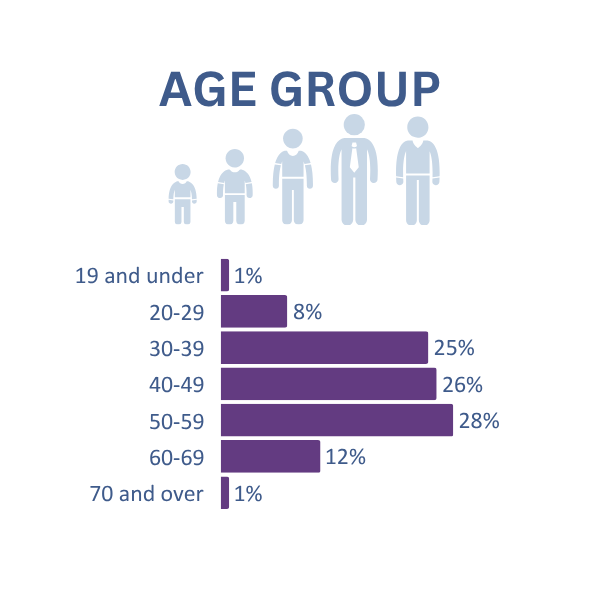
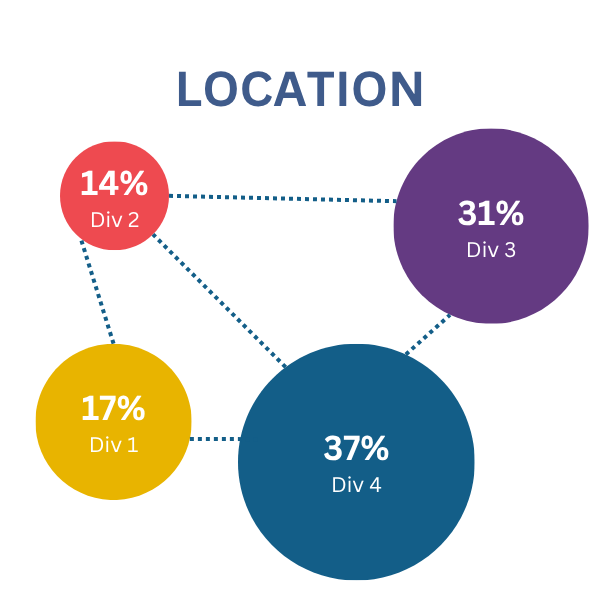
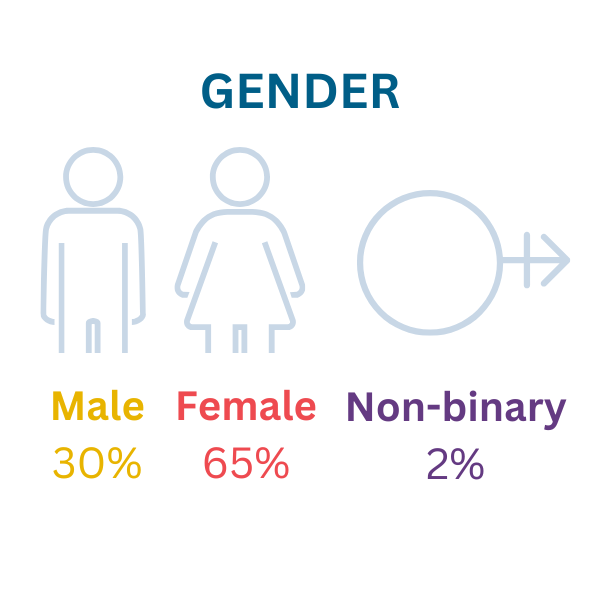
The community was invited to consider proposed changes to existing Local Laws. The feedback shared will be used to help shape the draft of the new local laws. These proposed changes have been shaped through internal, stakeholder and public consultation.
See a summary of what was shared with us below or read the full Community Engagement Report.
Most respondents supported replacing permits and licences with standard conditions, with support ranging from 75% to 89% across all topics.
Respondents supported simpler regulation but emphasised the need to protect community safety, neighbourhood amenity and the environment, particularly around noise, access and environmental impacts.
Feedback highlighted different expectations across Ipswich’s urban and rural areas. Rural residents generally supported greater flexibility, while suburban residents placed more emphasis on noise, safety and neighbourhood amenity, highlighting the need for place-based approaches to regulation.
Across all topics, respondents called for clearer rules, definitions and enforcement approaches. Many wanted better communication, improved compliance monitoring and greater clarity around restrictions.
Respondents strongly supported initiatives that enhance local vibrancy, community connection and economic activity, including live music, outdoor dining, food trucks, local events and mobile community services.
Feedback could be submitted using one of the engagement channels below:
Ipswich Central Library
18 March 2026
9:00am - 11:00am
Nicholas Street Precinct, Ipswich
Rosewood Library
20 March 2026
9:00am - 11:00am
Railway Street, Rosewood
Redbank Plains Library
23 March 2026
2:00pm - 4:00pm
Moreton Avenue, Redbank Plains
Ipswich Central Library
24 March 2026
9:00am - 11:00am
Nicholas Street Precinct, Ipswich
Karalee Library Pod
25 March 2026
9:00am - 11:00am
Outside Coles in the Karalee Shopping Village, Junction Road Karalee.Springfield Central Library
26 March 2026
2:00pm - 4:00pm
Corner of Main Street & Sirius Drive, Orion Springfield Central
Rosewood Library
27 March 2026
2:00pm- 4:00pm
Railway Street, Rosewood
Redbank Plains Library
30 March 2026
10:00am - 12:00pm
Moreton Avenue, Redbank Plains
Springfield Central Library
31 March 2026
9:00am - 11:00am
Corner of Main Street & Sirius Drive, Orion Springfield Central
Karalee Library Pod
1 April 2026
2:00pm - 4:00pm
Outside Coles in the Karalee Shopping Village, Junction Road Karalee.Ipswich Central Library
2 April 2026
2:00pm - 4:00pm
Nicholas Street Precinct, Ipswich
View the FAQs, Q&A tool, and the responses provided during the consultation period.
Ask your questions about the Strategic Regulation Project - Step 3 below and our experts will reply within 5 business days.
To ask a question you must create an account or log in.
These are the people that are listening and responding to your questions.
Senior Project Officer
{{question.description}}
Find out how we’re shaping Local Laws that keep pace with our city’s growth.
Ipswich City Council respectfully
acknowledges the Traditional Owners, the Jagera, Yuggera and Ugarapul People of
the Yugara/Yagara Language Group, as custodians of the land and waters we
share. We pay our respects to their Elders past and present, as the keepers of
the traditions, customs, cultures and stories of proud peoples.

Phone: (07) 3810 6666
Email: communityengagement@ipswich.qld.gov.au
Postal: PO Box 191, Ipswich QLD 4305, Australia
Ipswich City Council protects your personal information in accordance with the Information Privacy Act 2009 (Qld) and the Queensland Privacy Principles (QPP).